
Last updated November 21, 2026
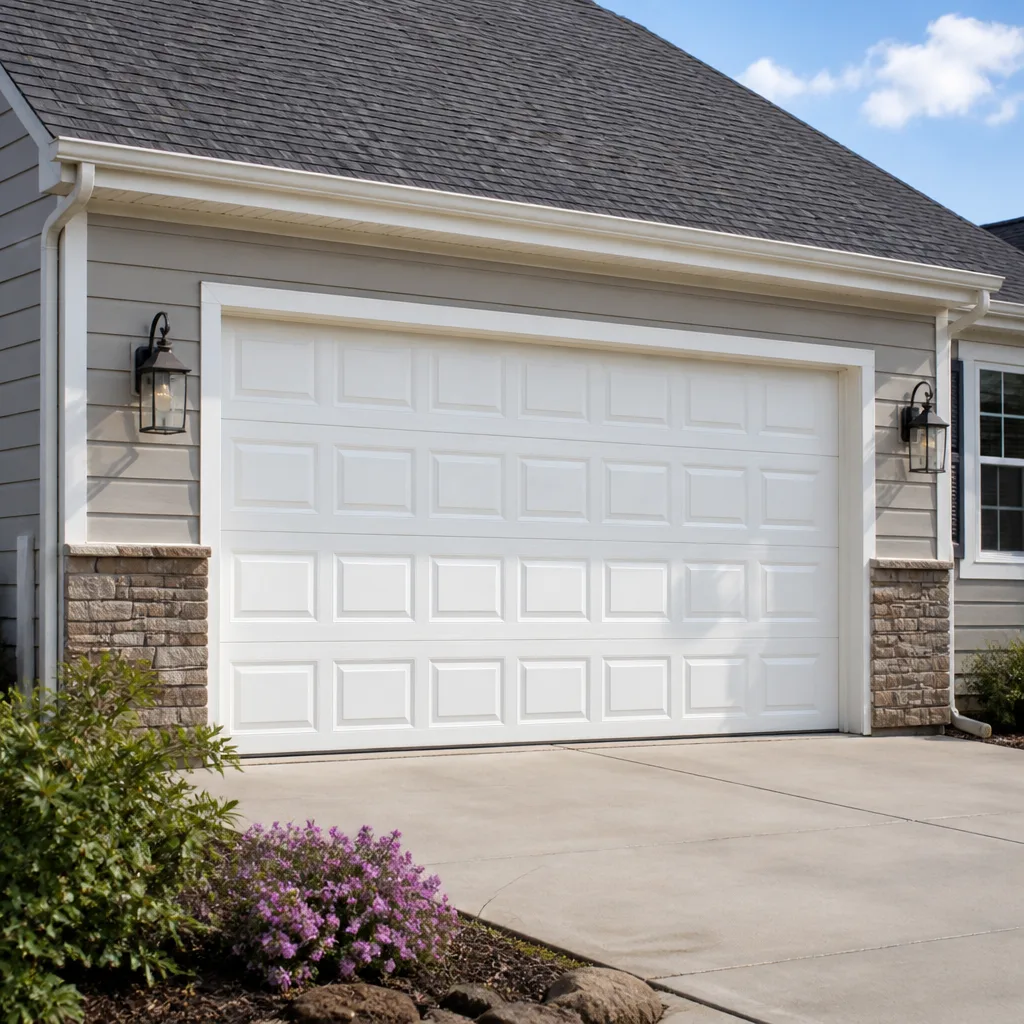 Raised-panel steel
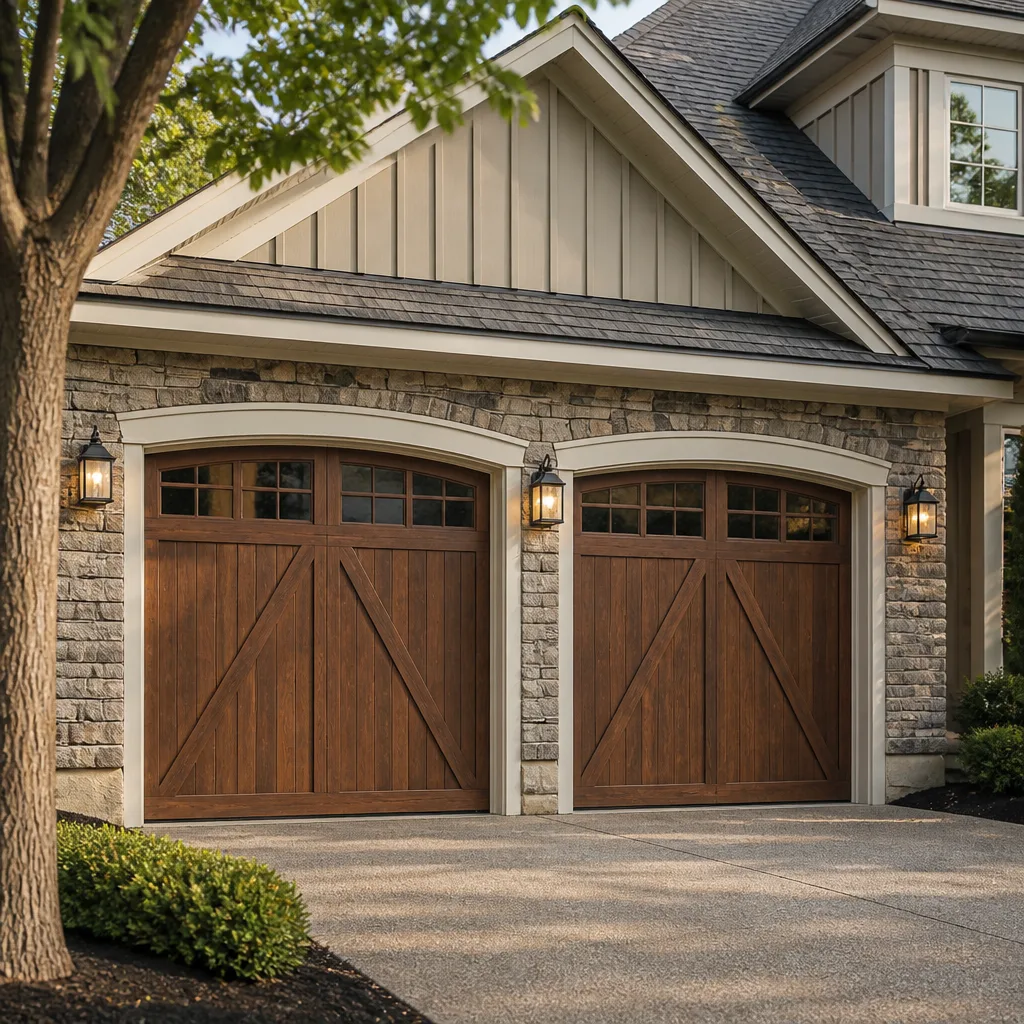 Carriage house
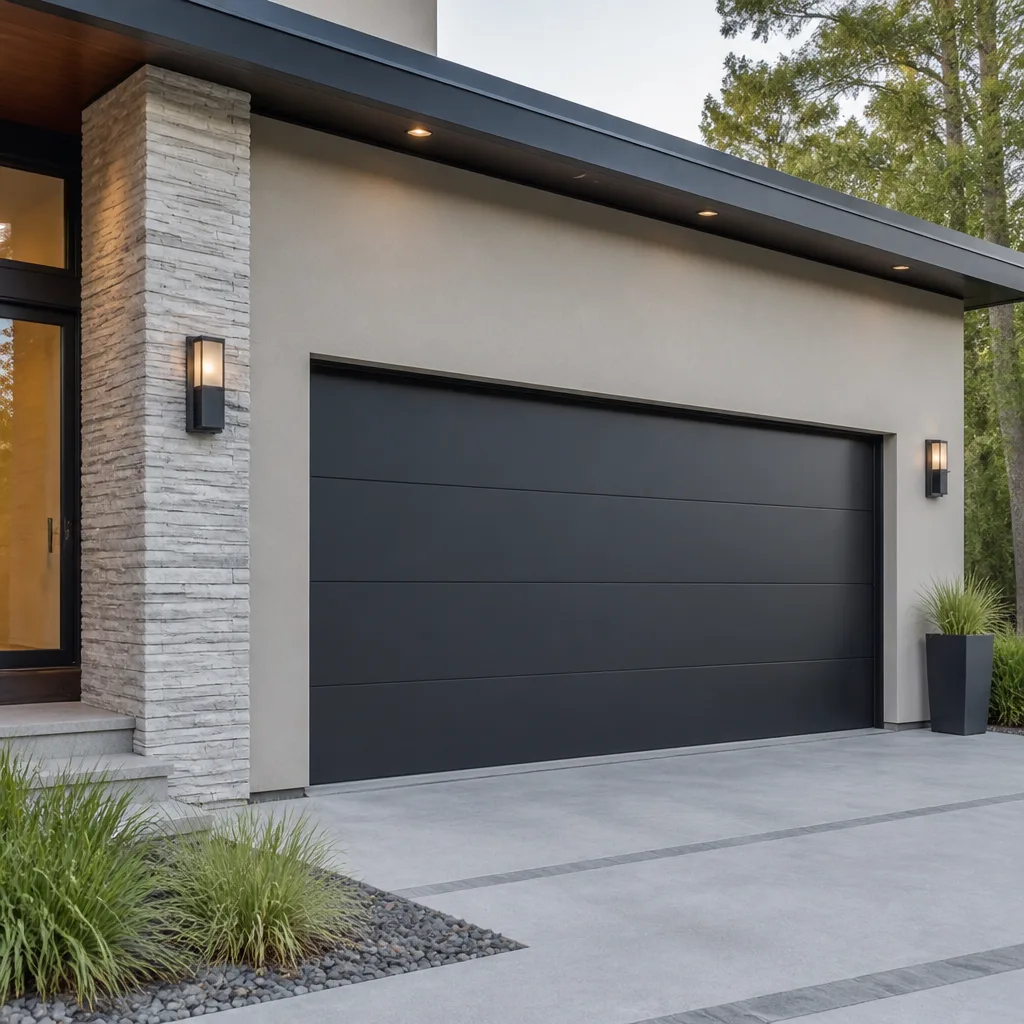 Modern flush
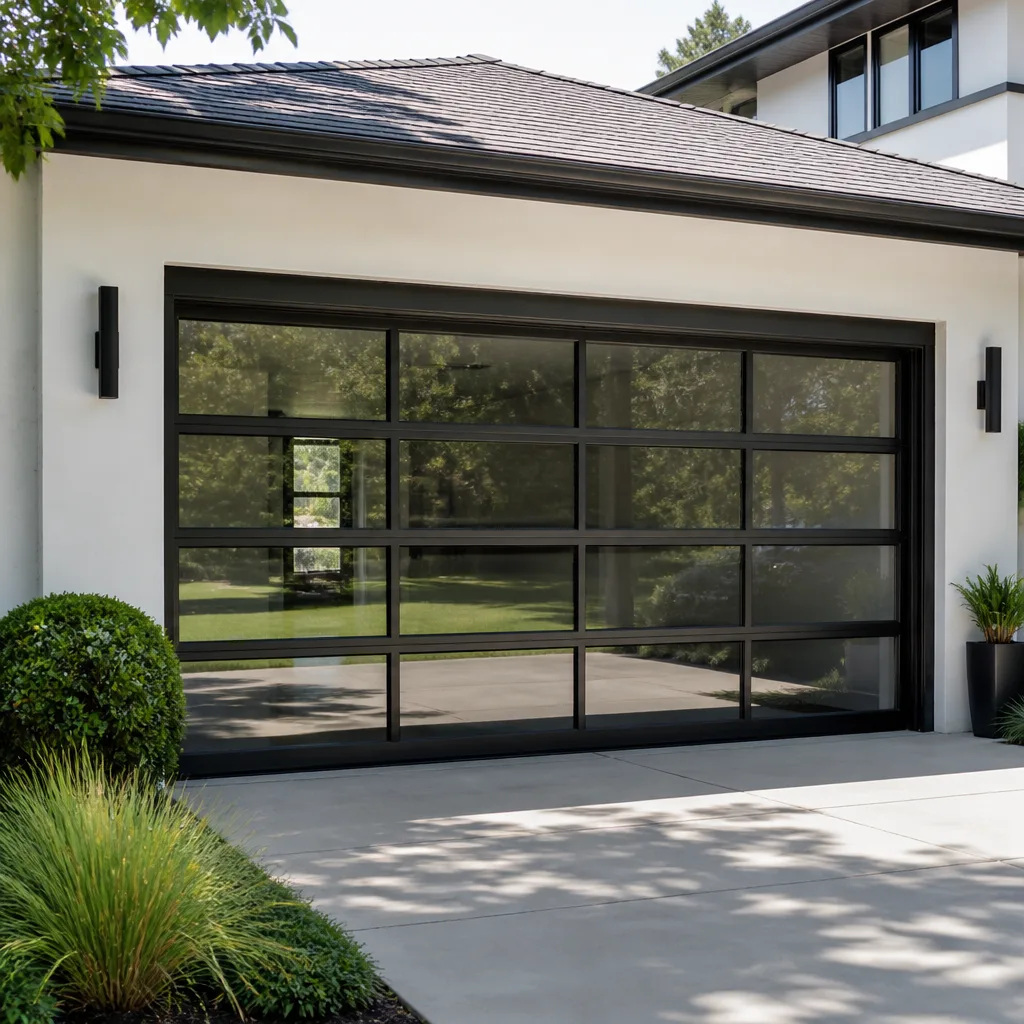 Full-view glass
 LiftMaster openers
 Chamberlain openers
Full 25-point door and opener safety check with every visit - springs, cables, rollers, tracks, and your LiftMaster or Chamberlain opener included
You get a price before we start. It does not change when the pro arrives.
Get your free estimateGarage Door Permits, Codes & Inspections in Auburn, WA: What You Need to Know
Here’s a distinction that catches a lot of Auburn homeowners off guard: replacing the door panel itself is usually exempt from permitting, but adding a new opener on a new dedicated circuit can trigger an electrical permit under Washington rules. The difference rarely matters until a home inspector pulls the permit history before a sale, and an unpermitted circuit or altered structural element shows up as an open question on the title report. In this guide we’ll walk through exactly when Auburn and King County require permits for garage door work, how Washington’s energy code applies to insulated door replacements, what “like-for-like” means in practice, and how to pull a permit yourself or have a licensed contractor handle it on your behalf.
Quick Answer
In Auburn, WA, a straight like-for-like garage door replacement (same size, same opening, no structural changes) typically does not require a building permit, though you should always confirm with the city’s building department because rules evolve. Adding a new electrical circuit for a garage door opener, changing the opening size, or altering the header or framing usually does require a permit. Insulated door replacements may also need to meet Washington’s energy code (WAC 51-11C) depending on whether the home is new construction or a replacement. When in doubt, ask the City of Auburn building department before you buy or install.
Styles & brands we work with
- Raised-panel steel
- Carriage house
- Modern flush
- Full-view glass
- LiftMaster openers
- Chamberlain openers
Table of Contents
- Does garage door work need a permit in Auburn, WA?
- What “like-for-like replacement” actually means
- How Washington’s energy code applies to insulated doors
- When a new opener triggers an electrical permit
- Unpermitted work and the home-sale problem
- How to pull a permit yourself vs. having a contractor do it
- What inspections look for on garage door work
- Common mistakes to avoid
Does garage door work need a permit in Auburn, WA?
Most like-for-like panel replacements don’t require a permit. Opening-size changes, framing alterations, and new electrical circuits usually do. That middle ground is where most Auburn homeowners end up confused, so it helps to sort garage door work into three buckets before you call the city.
Bucket one: exempt work. Swapping a door for another door of the same width, height, and track configuration into an existing opening, replacing rollers, cables, springs, or weather seals, or replacing an opener with a unit that reuses an existing outlet and circuit all generally fall into this category. This is the most common garage door job we handle, and it’s the category most people mean when they ask whether the work is permitted.
Bucket two: work that usually needs a permit. This includes changing the width or height of the garage opening, cutting or modifying a header, altering the wall framing around the opening, converting a carport to a closed garage, or running a new dedicated electrical circuit to power a new opener. Structural and electrical work gets pulled into the permit process because it affects the home’s load path or electrical capacity.
Bucket three: work that clearly needs engineering. Knocking out a wall, adding a third bay, converting a garage into living space. Any of these will usually require plans and possibly a structural engineer’s stamp, on top of the building permit itself.
None of this is universal. Auburn’s building department interprets the state rules for your specific address, and the safest move is a quick phone call or online inquiry before you order a door. If you’re working with us on garage door repair in Auburn, we can flag whether your scope of work looks exempt or likely to need a permit before anything gets ordered.
Where King County fits in
King County administers some permits for unincorporated areas, while the City of Auburn handles permits inside city limits. If you’re not sure which jurisdiction covers your address, that’s the first thing to confirm. A homeowner in the Lea Hill area is inside the city; a homeowner a few miles east on the rural fringe may not be.
What “like-for-like replacement” actually means
“Like-for-like” is the term the building department uses to describe a replacement that doesn’t change the structure, footprint, or function of what’s already there. In garage door terms, it means: same opening size, same door type (sectional for sectional, roll-up for roll-up), same general weight class, and installation into existing track and framing that already meets code.
Here’s how to know if you’re inside the like-for-like box:
- Opening size stays the same. A 16-foot-wide door comes out, a 16-foot-wide door goes in. No cutting the header, no widening the jambs.
- Door style and weight class match. A single-layer steel door being replaced with a double-layer insulated door is fine as long as the springs, cables, and opener are resized for the new weight. But replacing a light residential door with a heavier commercial-grade unit can change what the header carries.
- Track and mounting stay in place. New doors can be hung on existing track if the track is undamaged. If the track is getting relocated or re-anchored, that starts to look less like a like-for-like job.
- Opener wiring is reused. A new opener hanging from the existing ceiling mount and plugged into the existing outlet is a swap. A new opener that needs a dedicated 20-amp circuit run from the panel is an electrical permit job.
When any of those four items changes, the answer from the building department can flip. So the question worth asking yourself before you buy a replacement is not “is a garage door permitted?” but “is my specific replacement permitted?” Those are different questions with different answers.
How Washington’s energy code applies to insulated doors
Washington’s energy code (WAC 51-11C) governs how buildings are insulated and air-sealed. It applies to new construction and to certain alterations and replacements on existing buildings. Insulated garage doors are affected by this code on the new-construction and addition side. On the replacement side, the rules are narrower, and how much of the code applies depends on whether you’re replacing a door on an existing home or adding a new garage as part of a remodel or new build.
What follows for Auburn homeowners:
- New construction and additions: A garage attached to a new build will need a door assembly that meets the code’s requirements for the specific climate zone. Expect the door assembly itself, not just the panel, to matter.
- Straight replacement on an existing home: WAC 51-11C generally does not impose a retrofit requirement that forces you to upgrade insulation. But the door you install must perform at least as well as what came out if it’s being reviewed as part of a larger permitted project.
- Garage conversions and remodels: If you’re converting the garage into conditioned space or adding onto the structure, the code is more likely to come into play. Talk to the building department before ordering.
In practice, this means an insulated door such as a Clopay or Amarr model is a smart choice from both a comfort and a code-readiness standpoint. It keeps the garage usable in a rainy, mild Puget Sound climate, and it puts you in a better position if the door ever gets rolled into a permitted project. Our Auburn Garage Door Repair Co team can talk through insulated options when the door is being replaced, but the code interpretation itself is the building department’s call.
When a new opener triggers an electrical permit
A new garage door opener sometimes needs an electrical permit, and sometimes it doesn’t. The dividing line is whether you’re reusing the existing circuit or adding a new one.
Swapping an opener where the new motor draws within the capacity of the existing circuit, hanging from the existing mount, and plugging into the existing outlet in the garage is almost always an exempt swap. The opener brands we work with most – LiftMaster, Chamberlain, Genie, Craftsman – all offer direct replacement units that fit this scenario. If you’re replacing a LiftMaster with another LiftMaster, or a Chamberlain with a LiftMaster, the electrical work is usually nil.
The permit question comes up when:
- You’re adding a circuit because the garage had no opener and no outlet near the mounting point.
- You’re upgrading to a heavier-duty opener that needs a dedicated 20-amp circuit.
- You’re adding a subpanel or converting the garage to a workshop where the opener shares a circuit with new equipment.
Any of these electrical changes pull in the permit process. If you want to understand the mechanical side of this better, our garage door opener repair page covers how openers are wired, mounted, and tested. Anything that requires a licensed electrician, we’ll tell you plainly so you can plan for it.
Unpermitted work and the home-sale problem
Unpermitted structural garage work can complicate a home sale, and that’s the part most homeowners don’t see coming. When you list a home in Auburn, the buyer’s inspector will usually pull the property’s permit history from the city. If the inspector finds a structural element that looks newer than the permit records show – a widened garage opening, a header that doesn’t match the original framing, a converted carport – the buyer’s lender and title company can ask questions that stall closing.
The specific problems to watch for:
- Lender conditions. Some loan programs require evidence that structural changes were permitted and inspected. A missing permit can trigger a retroactive permit application (sometimes called a “as-built” or retroactive permit) that costs money and delays the sale.
- Title and disclosure. In Washington, sellers are required to disclose known material defects and unpermitted work. If you’ve done garage work yourself and never asked about the permit, you’re on the hook for disclosing it.
- Buyer negotiation. Even when the work is safe, a buyer’s agent will use a missing permit as a negotiating lever. That’s not a defect in the work, but it’s a cost of not having the paper trail.
Pure like-for-like panel replacements almost never trigger any of this because they don’t show up as structural change. The problem cases are almost always opening-size changes, conversions, or electrical work. If you’re not sure which side of the line your history falls on, ask before you sell.
How to pull a permit yourself vs. having a contractor do it
You can pull a permit yourself in Auburn, but for garage door work it’s often simpler and safer to have the licensed contractor on the job pull it. Both paths are legal. The difference is who’s on the paperwork if something goes wrong during inspection.
Pulling the permit yourself (homeowner permit)
- Contact the City of Auburn building department and describe exactly what you plan to do. Say “replacing a garage door in an existing opening” if that’s the case, or “widening the garage opening and modifying the header” if that’s the case. The two are treated very differently.
- Fill out the application. For an electrical permit you’ll typically need to list the circuit, amperage, and location. For a structural permit, you’ll submit plans or a drawing.
- Pay the permit fee and post the permit visibly on the property.
- Schedule the inspection at the stage the building department requires (rough-in for electrical, final for most work).
- Keep the signed-off permit and inspection record in your home file for future sale disclosures.
Having a licensed contractor pull the permit
When the contractor pulls the permit, their name goes on the paperwork. That matters because it puts the liability for code compliance on the professional who did the work. If the inspection flags a correction, the contractor handles it.
Our position on this: if a job needs a permit, we’ll tell you before we start. Anyone who tells you “we don’t need a permit for a garage door” without asking what you’re changing is skipping a step. If you want an honest read on your specific scope of work in Auburn, call us at (833) 680-0666 and we’ll walk through it with you. Estimates are free.
What inspections look for on garage door work
When a permit is required, the inspection is usually quick and specific. Inspectors aren’t there to grade the aesthetics of your door; they’re checking structural and electrical compliance.
For electrical permits tied to opener work, expect the inspector to check:
- Circuit size and breaker rating for the added load.
- GFCI protection where the code requires it for garage receptacles.
- Conduit, wiring methods, and box fill.
- Grounding and bonding at the panel.
For structural permits tied to opening changes, expect the inspector to check:
- Header sizing and support.
- Framing attachment and load path.
- Whether the opening matches the approved plans.
- Any required anchor bolting or strapping at the walls.
For energy code compliance on a new or heavily renovated garage, expect the door assembly to be checked against the plans. The building department provides the exact checklist at permit intake.
In our experience, most inspection corrections on garage door projects come from two places: circuits sized for the wrong opener, and openings slightly wider than the approved plans. Both are avoidable when the scope is clear before the paperwork goes in.
Garage door springs, cables, and safety: where permits don’t apply
Here’s an important clarification: permits apply to the structure and the electrical, not to component-level repair. Replacing a torsion spring, a snapped cable, rollers, hinges, or the opener itself (when it’s a straight swap on an existing circuit) is component-level work. No permit, no inspection. What it does require is a trained technician, because these parts are under extreme tension.
A torsion spring failure is a serious safety event. Springs and cables store enough force to cause significant injury if released incorrectly. We won’t detail the process because the risk is real, and this is exactly the kind of work where a professional is worth the money. Our garage door spring repair service exists because generalists often avoid this work entirely. If your spring has broken in Auburn, the right call is to stop operating the door and have it serviced by someone who does this every day.
Same for cables. A cable that’s frayed, off the drum, or hanging loose means the door’s weight is no longer evenly supported. Don’t cycle the door. Call.
How to confirm what your Auburn address needs
The only way to know for certain what your property needs is to ask the building department with your address in hand. Here’s the script we’d suggest.
- Know your scope. Write down exactly what’s changing. “Same size replacement, no structural change” or “widening from 9 feet to 16 feet” or “adding a new opener on a new circuit.”
- Confirm jurisdiction. City of Auburn or King County, depending on your address.
- Ask the specific question. “Does a permit apply to this work, and if so, what type?” Don’t ask “do garage doors need permits” – ask about your scope.
- Ask about the energy code. If your home is new or being remodeled, ask whether WAC 51-11C applies to the door assembly.
- Write down the answer. Save the email or note the person and date you spoke to. That record is useful if anything comes up during a sale.
While waiting on an answer, it’s fine to get the door ordered and scheduled. It’s not fine to install a door that requires a permit without one. If we’re doing the work, we’ll help you line up the sequence. Our Auburn Garage Door Repair Co team works in Auburn regularly and knows the general pattern of what the city tends to approve and what it tends to flag.
See the difference
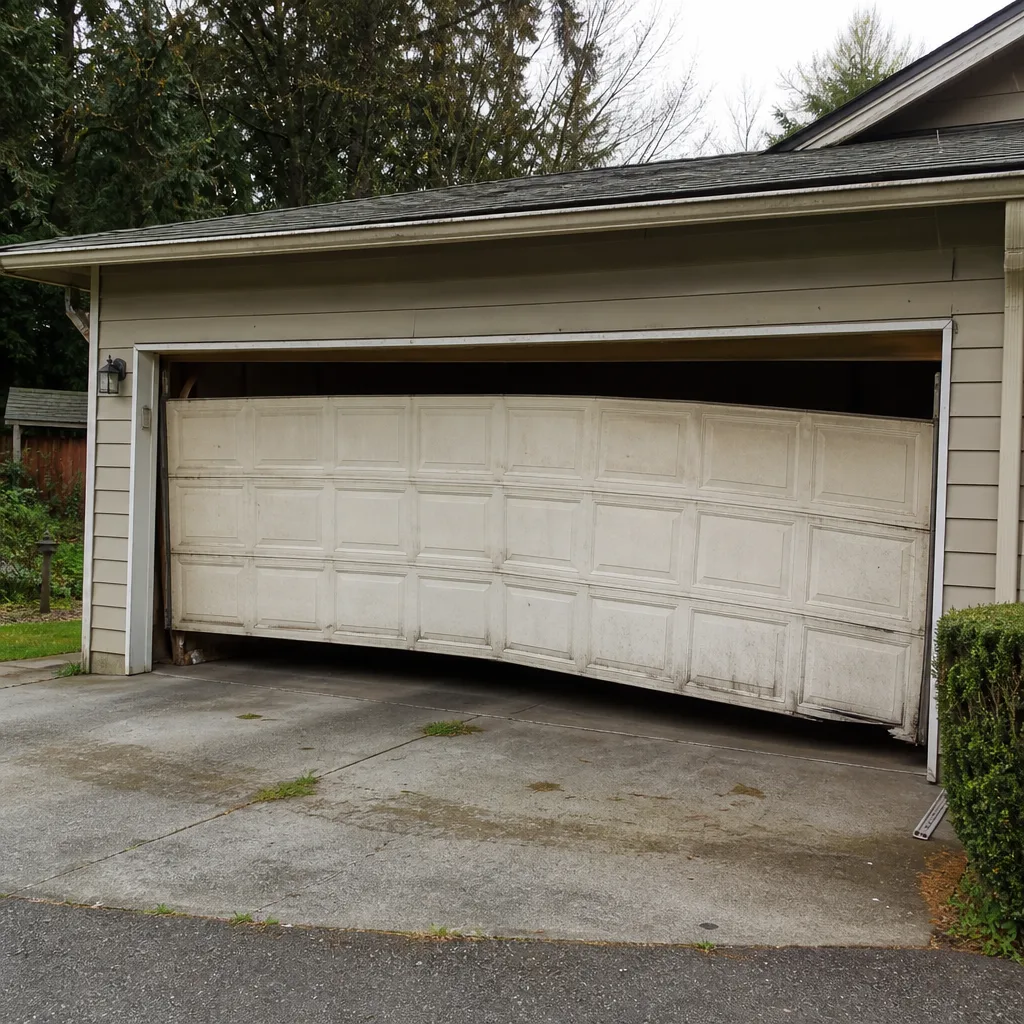 Before
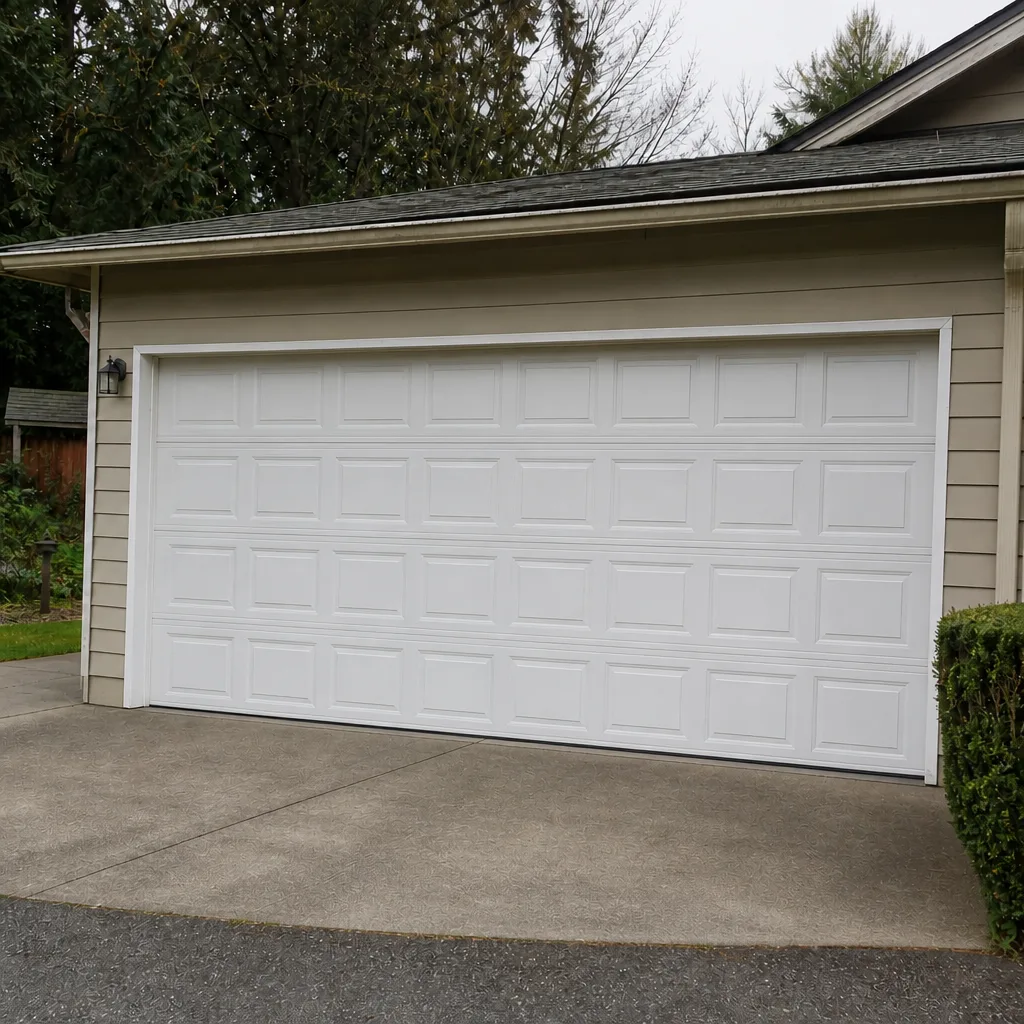 After
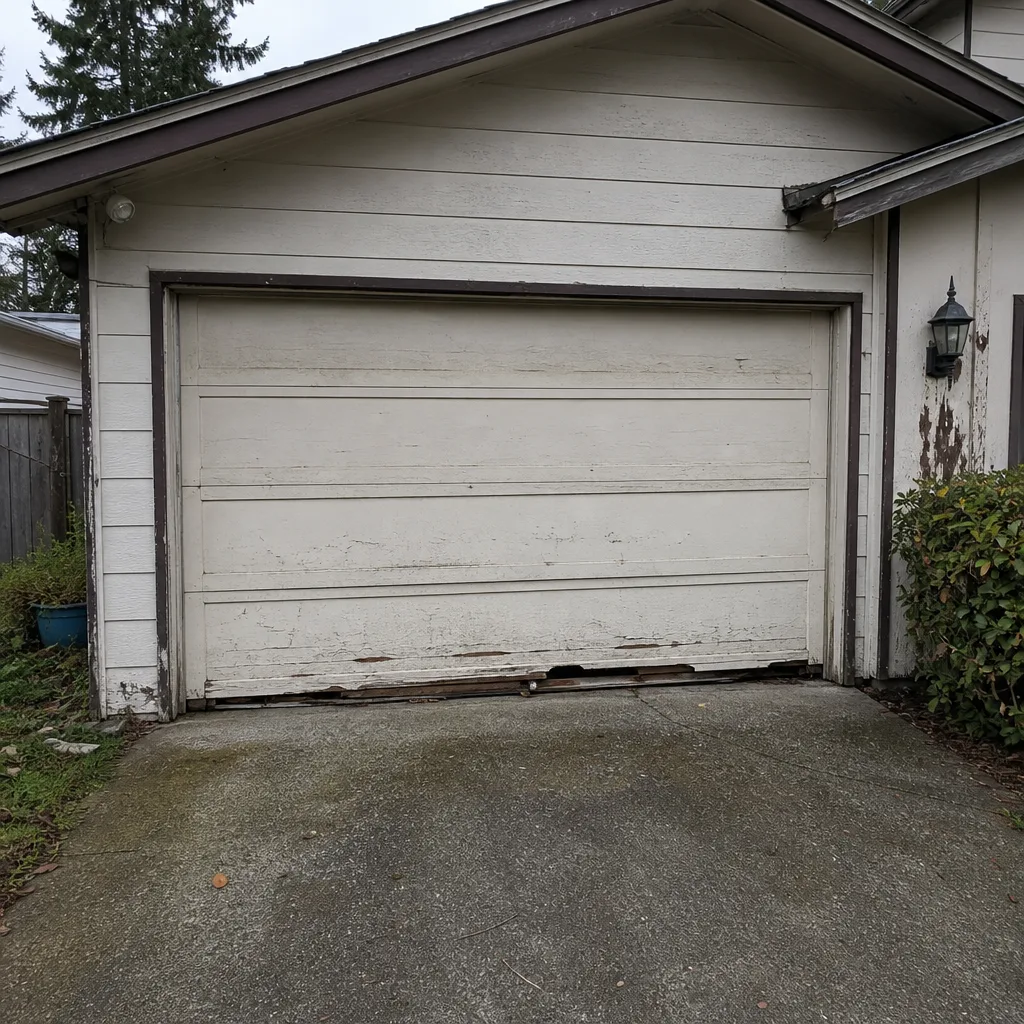 Before
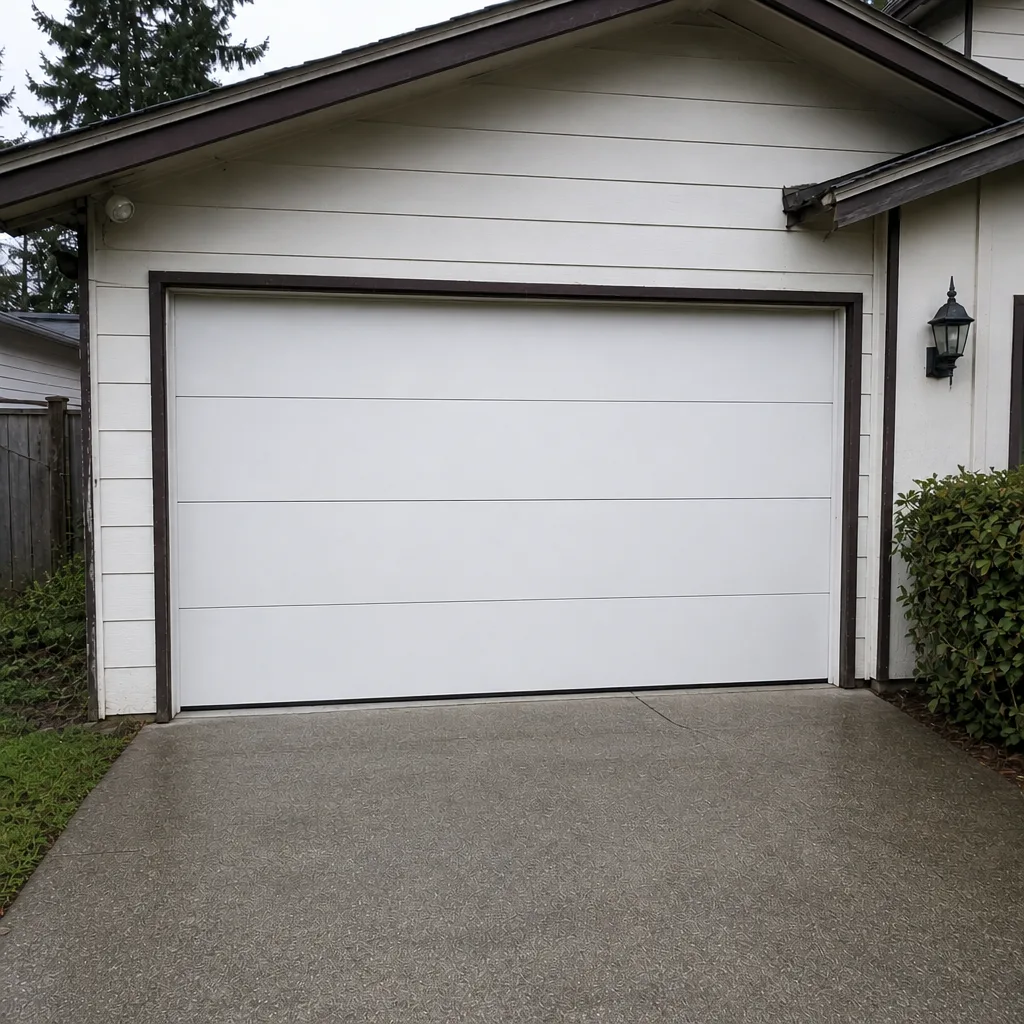 After
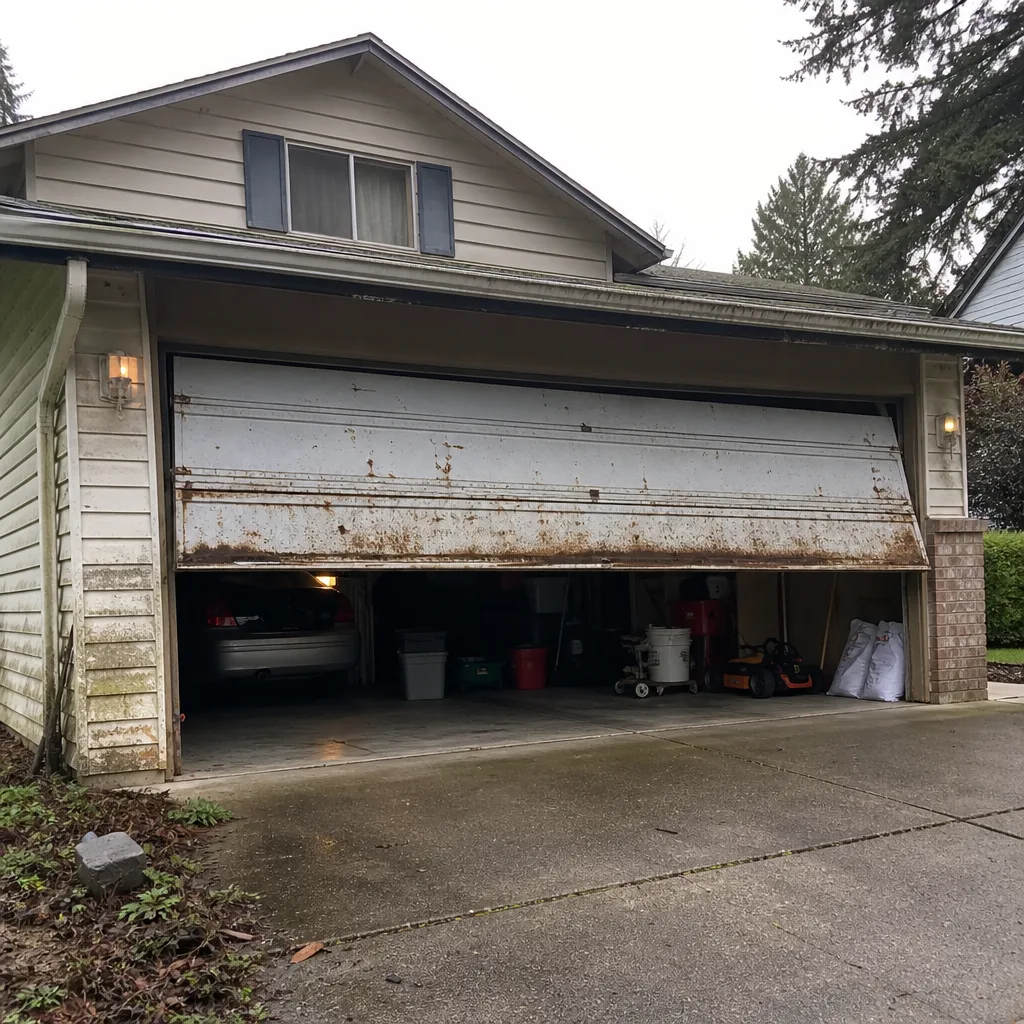 Before
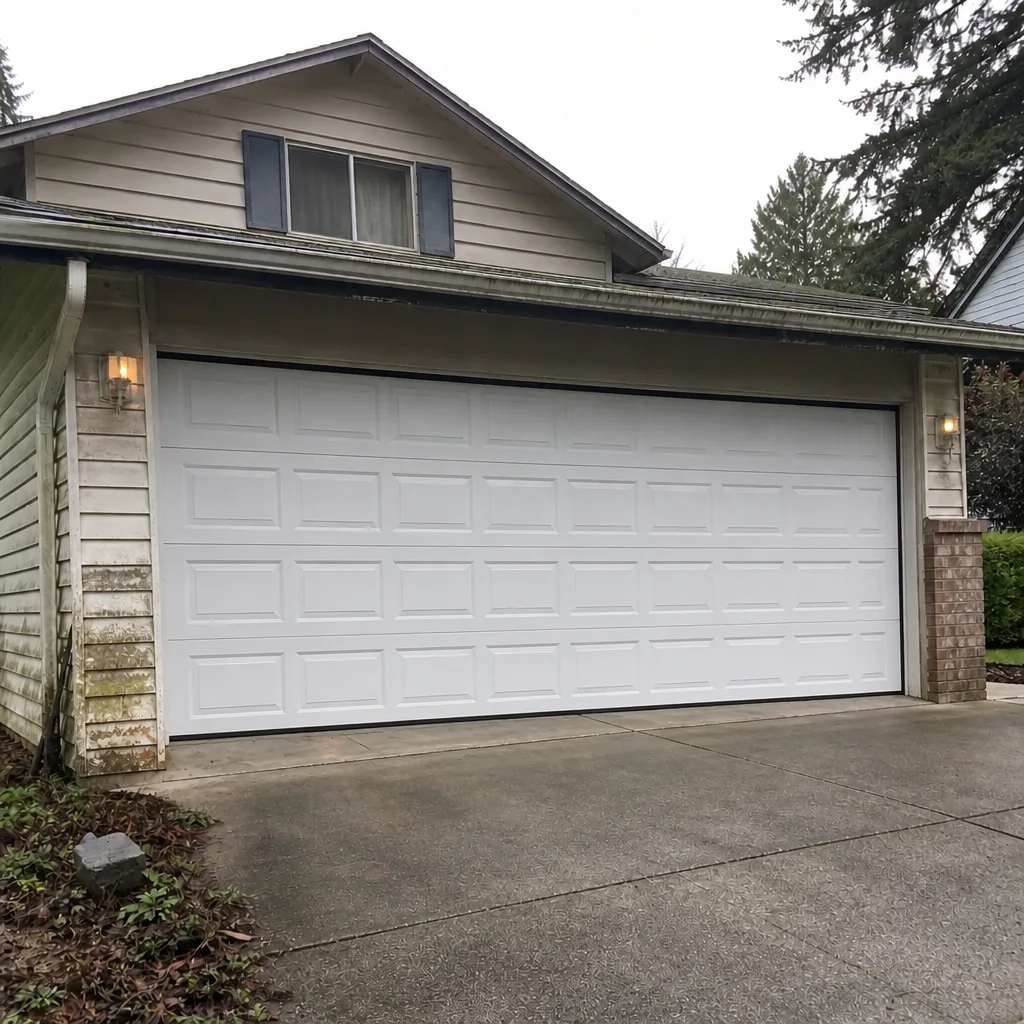 After
Common Mistakes to Avoid
- Assuming “no permit” applies to any garage door job. Like-for-like replacement is usually exempt. Widening the opening, changing the header, or adding a new electrical circuit usually isn’t. Ask before you buy.
- Pulling an electrical permit but skipping the structural one. If your project changes both, you need both. One permit doesn’t cover the other.
- Ordering the door before confirming the scope. A door that doesn’t fit the permitted opening can’t be returned once it’s cut or modified. Confirm the permit first when the opening is changing.
- Letting a handyman do structural or electrical work without a license. Washington state requires licensing for structural and electrical work. If your “guy” isn’t licensed, you’re the one on the hook for correcting the work later.
- Not keeping the signed-off permit. The permit record is the paper trail that answers questions at closing. Scan it and store it with your home files.
- Confusing the energy code with a retrofit mandate. WAC 51-11C applies to new construction and certain alterations. It doesn’t retroactively require insulated door upgrades on a straight replacement, but it does matter on remodels and additions.
- Asking the wrong question at the building department. “Does a garage door need a permit” gets a useless answer. Ask “Does this specific scope of work need a permit,” and describe the scope.
When to Call a Professional
Call when the door isn’t working, the spring or cable is broken, the opener is dead or erratic, or you’re planning a replacement and want an honest read on whether the job needs a permit. Call when the door has visibly dropped, when it’s uneven, when it only opens partway, or when the opener runs but the door doesn’t move. Call before you order a replacement door, so the scope of work and permit question are settled before money changes hands. Auburn Garage Door Repair Co offers free estimates in Auburn – call (833) 680-0666. We answer 24/7. Fast dispatch from 7am to 7pm, Sunday through Friday. Our technicians have up to 14 years of experience and work on the brand of opener or door already in your garage, whether that’s LiftMaster, Chamberlain, Genie, or another major manufacturer.
Frequently Asked Questions
Usually no, if it’s a like-for-like replacement into the existing opening with no structural changes and no new electrical circuit. Changes to opening size, header, framing, or electrical service usually do require permits. Confirm with the City of Auburn building department using your exact scope of work before ordering the door. Call (833) 680-0666 for a free estimate once the scope is clear.
Yes, Washington allows homeowners to pull permits for work on their own primary residence. The steps are to describe the scope to the building department, complete the application, pay the fee, post the permit, and schedule the inspection. Having a licensed contractor pull the permit puts the compliance liability on the contractor, which is often the simpler path for permitted work. Call (833) 680-0666 if you’d like us to walk through your options.
WAC 51-11C applies most directly to new construction, additions, and remodels that go through the permit process. A straight replacement on an existing home usually doesn’t trigger a mandatory insulation upgrade, but the door should perform at least as well as what came out if it’s part of a permitted project. Ask the Auburn building department to confirm for your address. If your project does roll into a permitted scope, call (833) 680-0666 for a free estimate on the door and install.
Unpermitted structural garage work usually surfaces during the buyer’s inspection and can stall financing, trigger retroactive permit applications, or become a negotiating point. Washington sellers are required to disclose known unpermitted work, so the risk is not just financial but also a disclosure matter. If you’re unsure whether past work was permitted, ask the city before you list. Call (833) 680-0666 if you need the current condition of the door or opener assessed.
Not usually, if you’re swapping an opener into the existing ceiling mount and plugging into the existing outlet. A new dedicated electrical circuit, a subpanel addition, or an upgrade that exceeds the existing circuit’s capacity typically does require an electrical permit. If you’re unsure which situation you’re in, call (833) 680-0666 and we’ll talk through what your install will involve.
No. Springs, cables, rollers, and hinges are component-level repairs and don’t require a permit. They do require a trained technician because the parts are under extreme tension and a mistake can cause serious injury. If your spring or cable has failed, stop operating the door and call a professional. Call (833) 680-0666 for a free estimate on spring or cable repair in Auburn.
The Bottom Line
Permits for garage door work in Auburn come down to whether the job changes the structure or the electrical system. A like-for-like panel replacement is usually exempt. Widening the opening, altering the header, converting a carport, or adding a new opener circuit usually isn’t. Washington’s energy code (WAC 51-11C) shapes insulated door requirements on new builds, additions, and some remodels, but doesn’t force a retrofit on a straight replacement. The real cost of skipping a permit isn’t the fee – it’s the disclosure and title questions that show up when you sell. When the scope is clear and the door needs work, we’re here. Call (833) 680-0666 for a free estimate. We answer 24/7. Fast dispatch from 7am to 7pm, Sunday through Friday.
Written by the team at Auburn Garage Door Repair Co.