
Last updated November 21, 2026
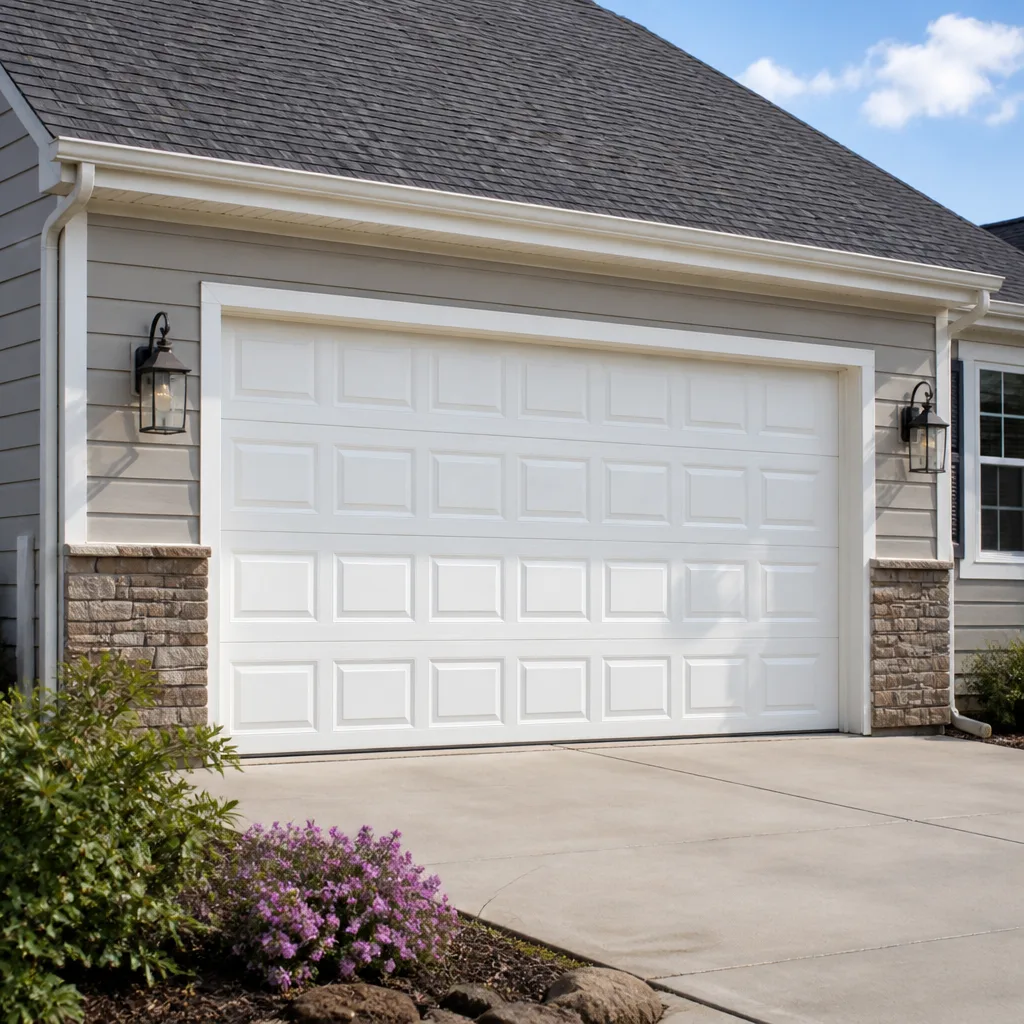 Raised-panel steel
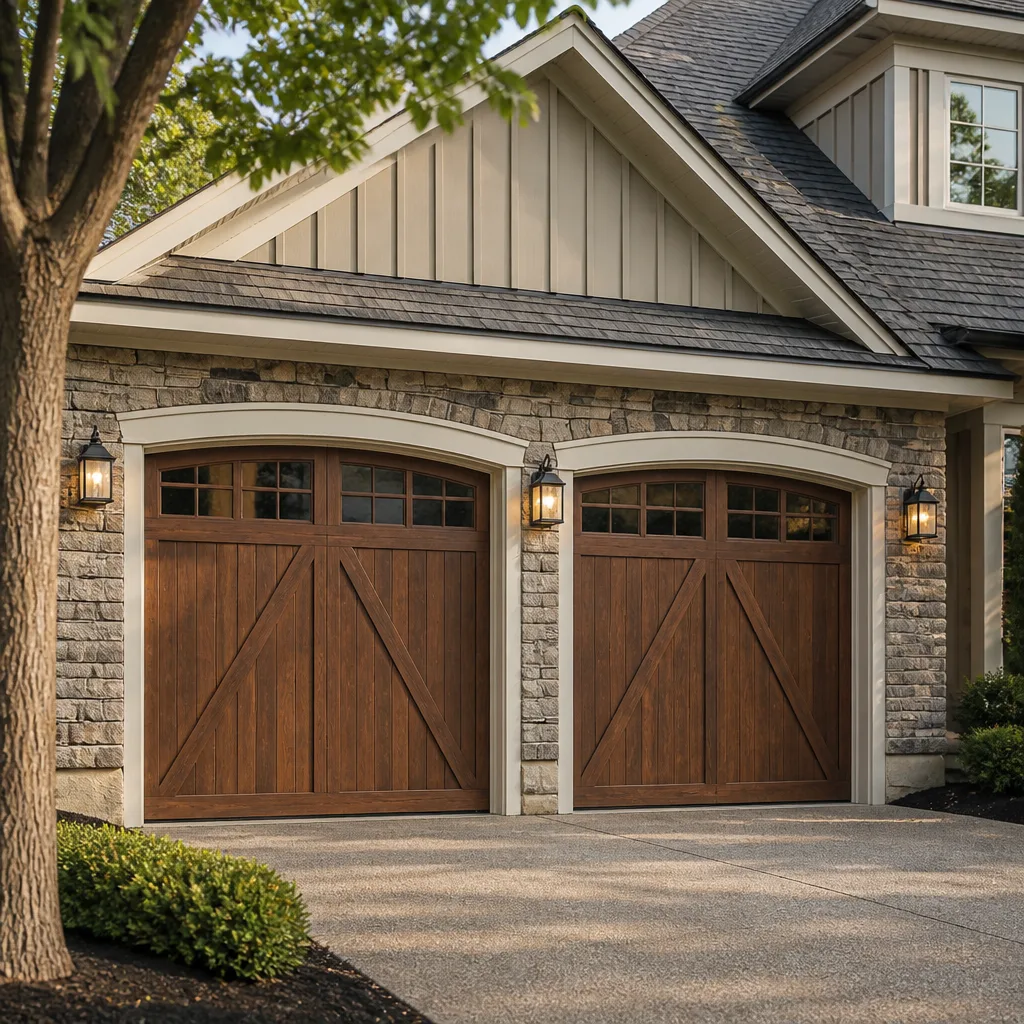 Carriage house
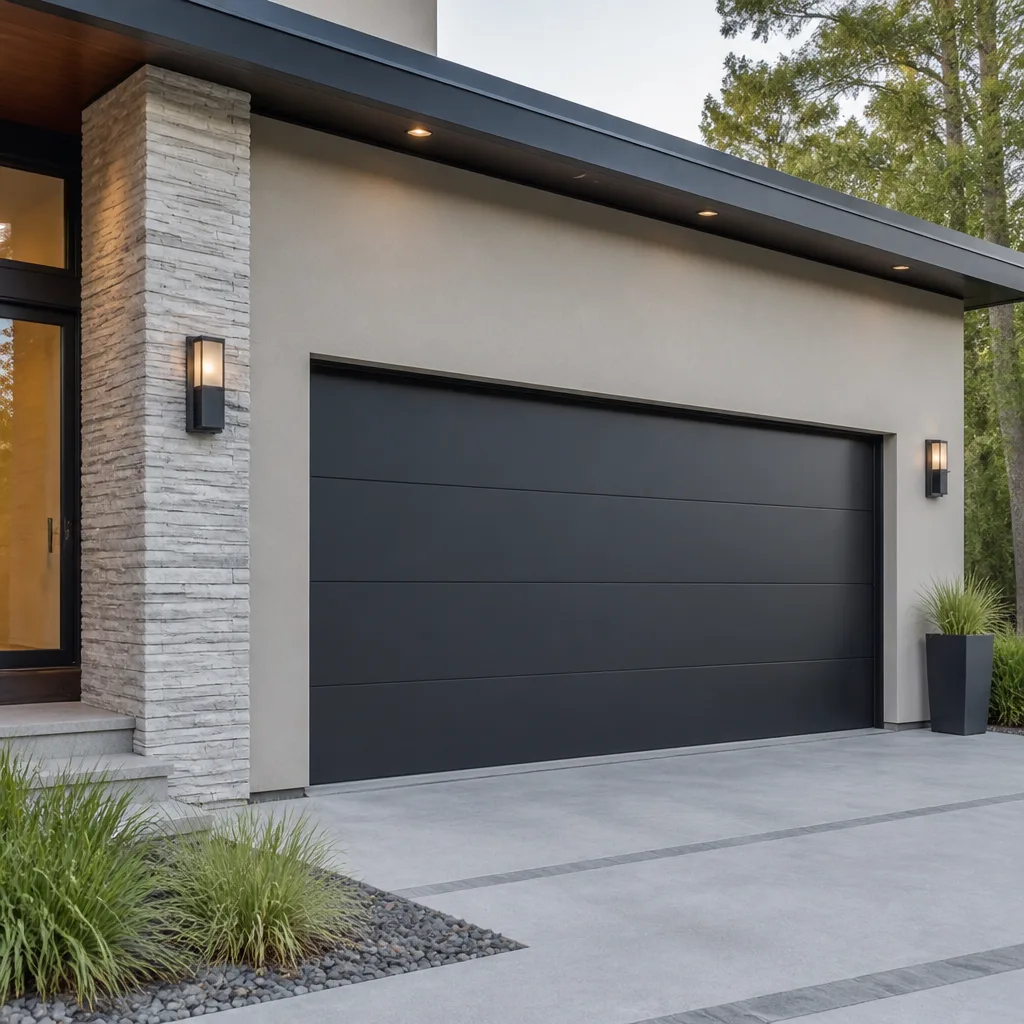 Modern flush
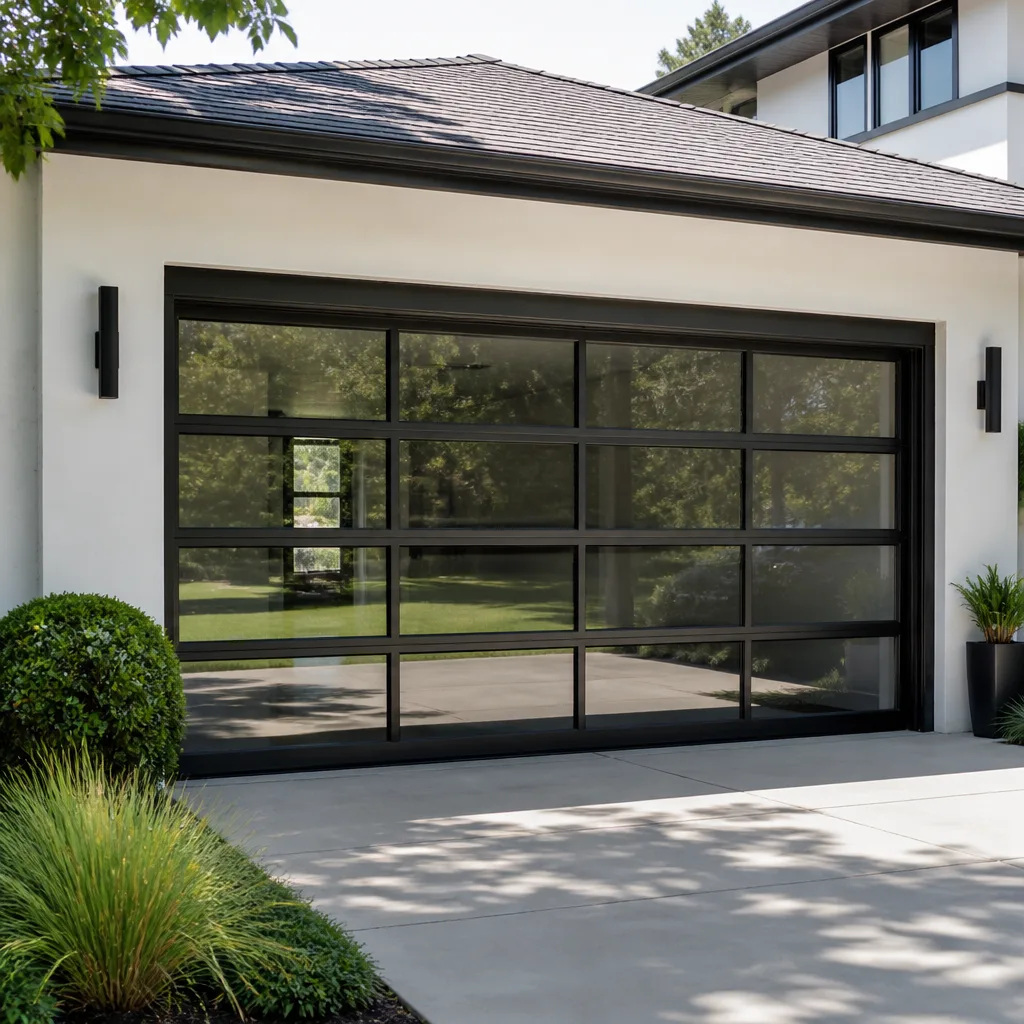 Full-view glass
 LiftMaster openers
 Chamberlain openers
Full 25-point door and opener safety check with every visit - springs, cables, rollers, tracks, and your LiftMaster or Chamberlain opener included
You get a price before we start. It does not change when the pro arrives.
Get your free estimateSeasonal Garage Door Care for Auburn: Year-Round Homeowner’s Guide
October is the month most garage door springs fail in Auburn, and the reason isn’t the cold. It’s the handoff between seasons. Summer heat pulls the lubricant out of the coils and the hinges, then the first wet weather moves in and starts working on bare metal that dried out months earlier. By the time a door feels stiff or starts to screech, the corrosion has already had a head start. Most homeowners treat garage door care as a spring cleaning chore. In Auburn, the higher-leverage window is fall. This guide maps the year month by month, tied to the wet and dry patterns this part of the Green River Valley actually gets, so you can schedule prevention instead of paying for a sudden repair.
Quick Answer
Auburn’s garage door calendar has two damaging stretches and two maintenance windows. The wet season from roughly October through March brings moisture, wind-driven rain and temperature swings that attack seals, cables and springs. The dry stretch from about May through September is your window for cleaning, lubricating and inspecting. Fall prep matters more than spring cleaning here because the wet months do most of the wear. A short, honest inspection once per season catches most of what fails.
Styles & brands we work with
- Raised-panel steel
- Carriage house
- Modern flush
- Full-view glass
- LiftMaster openers
- Chamberlain openers
Table of Contents
- Why Auburn Has Two Damaging Seasons, Not Four
- Fall: The Highest-Leverage Maintenance Window in Auburn
- A Month-by-Month Task Map for Auburn Homeowners
- Winterizing Bottom Seals and Weather Stripping for Sideways Rain
- Summer: UV Wear on Steel and Composite Panels
- Assessing Damage After Auburn’s November to January Storms
- Spring: The Second Maintenance Window
- Seasonal Care: What You Can Do Yourself and What You Shouldn’t
Why Auburn Has Two Damaging Seasons, Not Four
Most seasonal garage door checklists are written for places with four distinct seasons. Auburn doesn’t run that way. For the purposes of a garage door, you get a long wet stretch and a long dry one, with short transitions between them. The wet stretch does the damage. The dry stretch lets you repair it. Treating spring and fall as equal calendar events misses how the wear actually accumulates.
Two things drive that wear in Auburn. The first is moisture. The Puget Sound region takes on rain in sustained stretches rather than quick storms, and a garage door on an exposed driveway takes the brunt of it. The second is temperature swing. Real cold is rare here compared to the Midwest, but daily swings between a cold morning and a milder afternoon do more work on metal than a steady deep freeze. Those swings flex hinges, cables and springs thousands of times a season.
The practical result: a door that sat fine through August can develop a stiff roller, a squeaking hinge or a seal pulling away from the frame by the end of November. None of those is dramatic on its own. Left alone, they add up to a stuck door or a snapped spring in the middle of a wet stretch when you least want to deal with it.
For any repair that goes beyond a lubrication pass, our garage door repair team handles everything from a single roller to a full track realignment. The important thing is timing the inspection so the wet months start with a healthy door.
The two-season model at a glance
- Wet and damaging (roughly October to March): moisture intrusion, corroded coils, swollen seals, loosened fasteners, debris blown into tracks.
- Dry and maintainable (roughly May to September): cleaning, lubrication, panel and paint inspection, track tightening, seal replacement.
- Transition months (April, September): the best time to schedule anything that needs a professional, because the door is between damaging stretches.
Fall: The Highest-Leverage Maintenance Window in Auburn
Fall is the window that pays you back in Auburn. Not spring. By the time a door starts failing in late autumn, the moisture has already been at work. The idea is to get ahead of that by addressing the small things before the wet season tests them.
Here’s what fall prep actually does. The dry months leave the springs and moving parts with thin or dried-out lubricant. The wet months then attack any metal that isn’t protected. A proper fall pass re-lubricates the springs, hinges, rollers and bearings, which is the cheapest insurance you can give a door going into a wet stretch. It also gives you a chance to spot a seal that’s already started to harden and gap before the sideways rain finds it.
We’ve seen enough Auburn doors to know that the hinge squeak in late October is usually a lubricant problem that’s been sitting for two months and a moisture problem that’s about to start. Neither is expensive to fix in October. Both are more annoying to fix in January when the door sticks at the top of the track.
If you’re not sure whether your door needs a repair or just a lubrication pass, our Auburn Garage Door Repair Co team can tell you on a single visit. Fall prep is one of those tasks where honesty matters more than upsell. A door that just needs lubrication shouldn’t be sold a new spring.
The fall prep checklist
- Lubricate the moving parts. Springs, hinges, rollers, bearings and the opener rail all get a light coat of a garage-door-safe lubricant. Avoid and heavy grease that attracts grit.
- Inspect the bottom seal. Run a hand along it and look for hardening, cracks or a visible gap at the floor. This is the first line of defense against sideways rain.
- Check the weather stripping around the frame. Gaps at the sides and top of the door let wind-driven rain in, and they’re easy to overlook until the door closes visibly unevenly.
- Look at the springs and cables. Don’t touch them. Note any rust, visible thinning or uneven coil spacing, and call a trained professional to assess.
- Clear the tracks of debris. Late-fall wind blows leaves and grit into the tracks. A quick brush-out keeps the door from binding.
- Balance-test the door by hand. With the opener disconnected, lift the door partway and let go. A balanced door should hold. A door that falls or rises is a sign a spring is already under strain.
A Month-by-Month Task Map for Auburn Homeowners
Generic seasonal checklists assume spring, summer, fall and winter are equal. They aren’t in Auburn. Here’s a month-by-month map tied to the wet and dry patterns this part of the valley actually gets.
October to November: Prepare for the wet stretch
Run the full fall checklist above. This is the highest-value two weeks of the year for garage door care in Auburn. The wet stretch is about to begin, and this is the last easy window to address lubrication and seal gaps before it does.
December to January: Watch the atmospheric rivers
The heaviest rain in Auburn’s calendar lands in this window. This is a watch-and-document stretch rather than a task-heavy one. After each significant storm, walk out and look at the door from inside the garage. Any water on the floor below the door means the seal isn’t doing its job and needs replacement. Any visible rust on the springs or cables needs a professional look. Small things caught fast don’t become big things.
February to March: The late-wet assessment
The wet stretch is winding down but the wear has accumulated. This is when a door that survived the winter starts to show what it cost. Rollers that got moisture into them and now squeak. A seal that’s curled at the edge. A hinge that’s loosening. This is the right window to book the spring tune-up before the summer dry stretches let you forget.
April: The dry window opens
April is the transition month. It’s the best time to schedule any professional work that isn’t urgent, because the door is between damaging stretches. If you’ve been putting off a spring inspection or a track realignment, this is when it costs the least to schedule.
May to June: The deep-clean pass
Wipe down the door panels with a mild soap and water. Check the paint for chips on steel doors and touch up bare spots before the summer sun works on them. Check the gaskets at the sides. Re-lubricate the springs and hinges – the wet months will have done some work on both.
July to August: UV watch
This is the ultraviolet stretch. Days are long and hot in Auburn, and the south- and west-facing sides of a door take direct sun. Check composite panels for fading, chalking or fine surface cracks. Check the paint on steel doors for blistering. The dry heat also pulls lubricant out of the springs faster than any other part of the year. This is the second best time to re-lubricate.
September: Final prep window
September is the last easy month before the wet stretch returns. Run the fall checklist early. If you didn’t get to the deep-clean and UV inspection in summer, do it now. A door that goes into October with fresh lubricant and tight seals faces the wet season with a much lower chance of a callout.
Winterizing Bottom Seals and Weather Stripping for Sideways Rain
The bottom seal is the single most neglected part of a garage door in Auburn, and it’s the part that takes the most abuse. The valley’s winter rain doesn’t fall straight down. It arrives at an angle, driven by wind, and hits the door face and the frame gaps directly. A bottom seal that’s hardened or torn does nothing to stop that water from finding the floor.
What to check, in order:
- The bottom seal itself. Look for cracks, hardening, a flat or torn edge, or visible gaps when the door is fully closed. A healthy seal compresses against the floor and stays slightly proud.
- The side and top weather stripping. Run a hand along the frame where the door meets it. There should be continuous contact. A visible gap the thickness of a fingernail is enough for driven rain.
- The threshold. Check whether the floor under the door is level. A sloped or worn threshold lets water pool even with a good seal.
- The contact point on the concrete. Any gap at the corners, where the door meets the frame, is where wind-driven rain gets in first.
Replacing a bottom seal is a job most homeowners can do themselves on a standard door. It’s also the job most likely to be skipped until water shows up on the garage floor. If in doubt, a service technician can tell you whether the seal needs replacement or just a clean-up, and that’s a five-minute inspection rather than a full job.
If the issue turns out to be an alignment problem rather than a seal problem, our garage door repair team can check the door’s balance and track. A door closing off-center will defeat even a new seal.
Summer: UV Wear on Steel and Composite Panels
The dry months in Auburn are kind to the mechanisms and hard on the panels. Sun exposure on the south- and west-facing sides of a door does two things. On steel doors, it accelerates paint fade and can lift paint off bare spots, which then invite rust once the wet season starts. On composite or wood-look panels, it chalks the surface and can develop fine surface cracks over time.
What to inspect in July and August:
- Paint condition on steel doors. Run a hand across the sun-facing sections. Any roughness or chipping means an exposed spot that will rust by October.
- Composite surface. Look for a chalky film, fading, or fine cracks. A light wash with mild soap shows these better than a dry inspection.
- Seams and joints between panels. UV can dry out the sealant at panel joints, which lets moisture in from the back side once the wet season starts.
- Windows and decorative inserts. The plastic frames around decorative windows can yellow or crack with UV exposure over time.
The fix for most of this is a simple touch-up coat of matching exterior paint on steel doors and a UV-resistant sealer on composite faces. The one thing to avoid in summer is over-lubricating. Lubricant applied on a hot day can run and pool at the bottom of the track. A light coat is the right amount.
Clopay and similar manufacturers publish touch-up paint codes for their panel colors, so if you can find the sticker inside your door panel, keeping a small touch-up kit on hand is the easiest summer investment you can make. If you can’t find the sticker, a service technician can often identify the panel from the hardware and cross-reference the color.
Assessing Damage After Auburn’s November to January Storms
The atmospheric rivers that come through Auburn between late November and January bring two problems: sustained rain and wind. Both do damage to garage doors, usually in small ways that are easy to miss on a walk through the garage.
Here’s how to inspect after a storm, in order:
- Check for water on the floor. Any pooling below the door, even a small amount, means the bottom seal is failing or the door isn’t closing flush against the threshold.
- Look for visible rust or discoloration on the springs and cables. The springs sit closest to the wet air, and a rusty, discolored spring is a warning sign rather than a cosmetic one.
- Test the door’s travel. Run it up and down by hand with the opener disconnected. It should move smoothly and without grinding. Any odd sound or hesitation is worth a professional look.
- Check the panels for physical impact. Falling branches or wind-blown debris can bow a panel or dent it. A bent panel can bind in the track and strain the opener.
- Look at the frame and weather stripping. Driven rain can work a corner of the frame loose or peel back the weather stripping.
- Test the opener’s safety reverse. Lay a roll of paper towels in the door’s path and close it. The door should reverse on contact. If it doesn’t, the opener needs servicing before the door is used again.
A garage door that came through a storm without obvious damage still deserves the two-minute walk-around above. What fails in February is almost always something that started in December.
If a spring shows rust or the cables look strained, don’t test them yourself. That’s a job for a trained professional, and our garage door spring repair team handles springs as a core service rather than a sideline. Springs store an enormous amount of energy, and a release under tension can cause serious injury. That’s the reason we don’t walk homeowners through spring replacement.
Spring: The Second Maintenance Window
Spring in Auburn is the transition out of the wet stretch and back into the dry months. It’s the second-best window of the year for maintenance, and it’s a good time to catch what the winter did to the door before summer heat works on it.
The spring pass does three things. It re-lubricates everything the wet season worked on. It gives you a chance to check the seals and frame one more time before the dry weather hides the problem. And it’s the natural time to schedule anything that needs a professional, since the technician isn’t going to be fighting rain or rushing to a callout in the middle of a storm.
Use the same fall checklist but reverse the emphasis:
- Prioritize spring and cable inspection. Any rust that appeared during the wet months should be assessed by a professional before summer.
- Check the bottom seal again. Winter is when seals wear fastest. A seal that survived October may not have survived February.
- Re-lubricate everything the wet months dried out. Springs, hinges, rollers and bearings.
- Run the balance test again. If the door that held steady in October now falls when you let go, a spring has weakened over the winter.
Spring is also the right season to look at opener performance if your door has been slow or jerky through the winter. The opener takes more strain when the door is out of balance, so an opener that’s “suddenly” struggling is often a door problem showing up at the motor. Our garage door opener repair team works on LiftMaster, Chamberlain, Genie and Craftsman units as a core service, so diagnosis tends to reach the actual problem rather than recommending a full opener replacement as a catch-all.
Seasonal Care: What You Can Do Yourself and What You Shouldn’t
Some seasonal garage door care is well within reach of a homeowner with a step stool and a can of lubricant. Some isn’t, and it’s important to know the line.
Safe to do yourself
- Lubricating springs, hinges, rollers and bearings with a garage-door-safe lubricant.
- Wiping down panels and touching up paint on steel doors.
- Brushing debris out of the tracks.
- Replacing a worn bottom seal on a standard door, following the manufacturer’s instructions.
- Running the safety reverse test on the opener.
- Visually inspecting springs, cables, hinges and the frame.
Not for DIY
- Spring replacement or adjustment. The springs hold the door’s entire weight in tension. A slip can cause serious injury. This is the single most dangerous part of garage door work.
- Cable replacement. Cables are under the same tension as springs and fail suddenly.
- Track realignment or replacement. An improperly set track will bind the door and strain the opener.
- Opener repair that involves the motor or the circuit board. There’s a real electrical hazard inside the opener housing.
- Anything involving a door that’s fallen, bent a panel, or is visibly off its track. A door in that condition is under load and needs a professional to bring it down safely before any repair begins.
Common Mistakes to Avoid
- Treating spring cleaning as the main event. In Auburn, fall prep is the higher-leverage window. Spring cleaning is valuable but the wet stretch is what does the wear.
- Using WD-40 or a general-purpose oil on the springs. Those products attract grit and dry out faster than a garage-door-safe lubricant. Use the right product.
- Skipping the seal inspection until water shows up on the floor. A bottom seal that fails in October is what causes the water in December. Catch it before the wet stretch.
- Ignoring visible rust on a spring. Rust on a coil is a warning sign, not a cosmetic issue. It means the spring has started to weaken and is closer to a snap than it was in the spring.
- Forcing a door that’s off its track. Running the opener on a door that’s binded or off the track can bend the panel and strain the opener. Stop, disconnect the opener, and call a technician.
- Over-lubricating in summer. A heavy coat on a hot day runs into the tracks, attracts grit and causes the exact sticking problem you were trying to prevent.
- Assuming brand-name opener service is out of reach. A dedicated garage door company works on the actual brands in your garage, whether that’s LiftMaster, Chamberlain, Genie, Clopay or another manufacturer, rather than recommending a new unit because the old one “can’t be serviced.”
See the difference
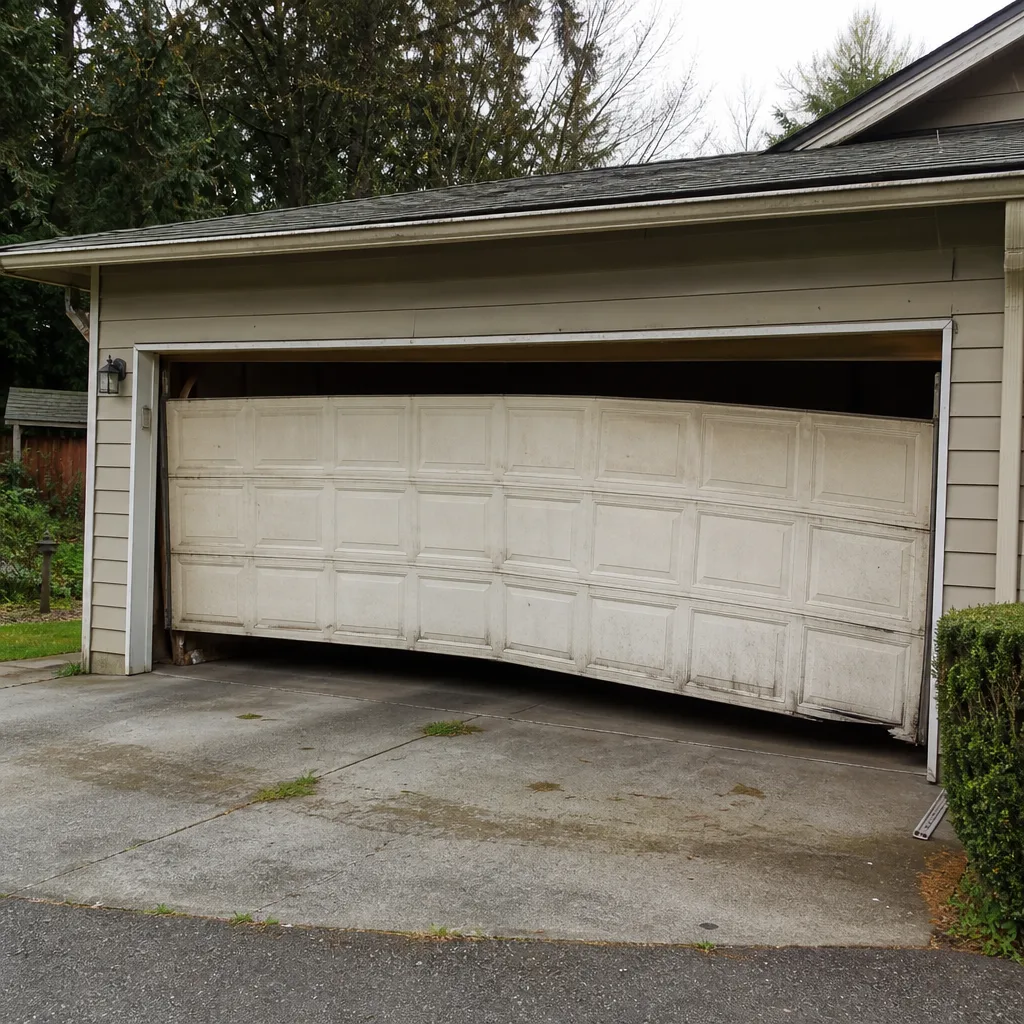 Before
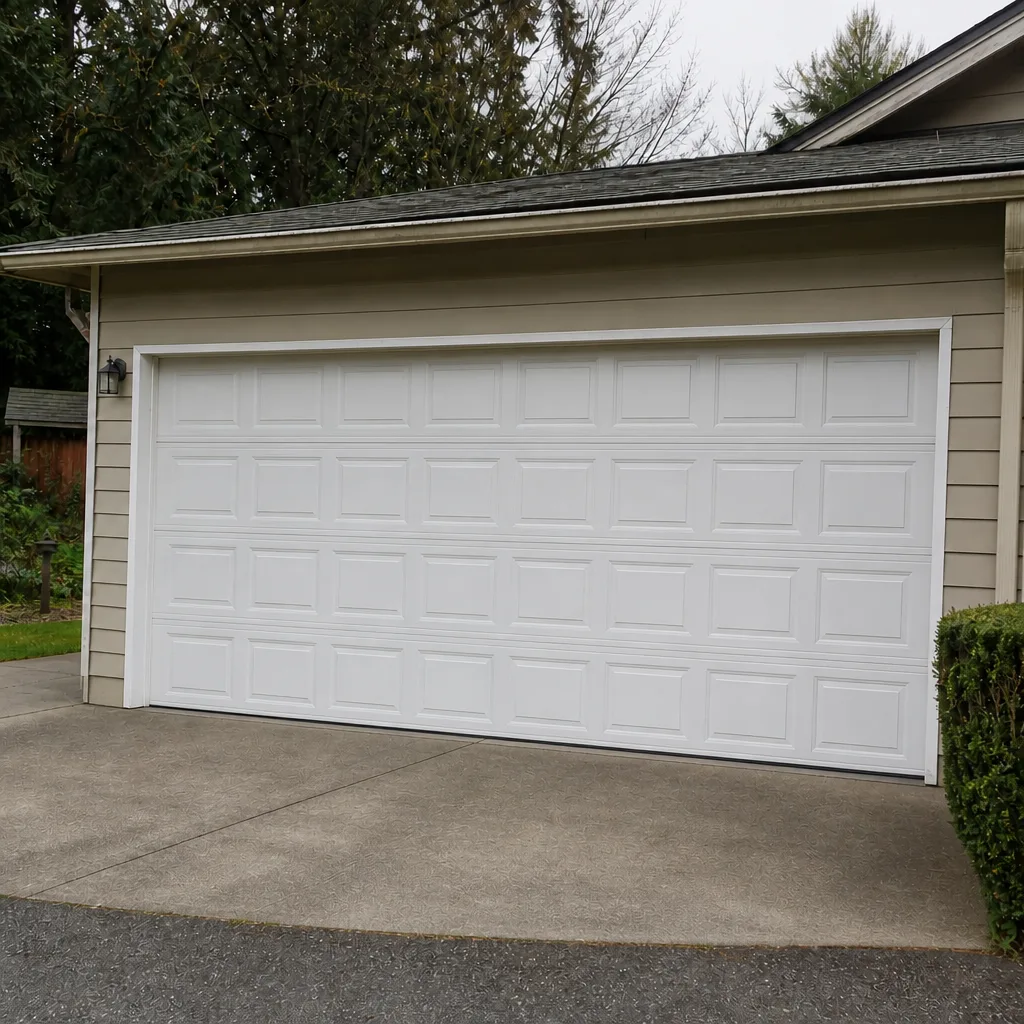 After
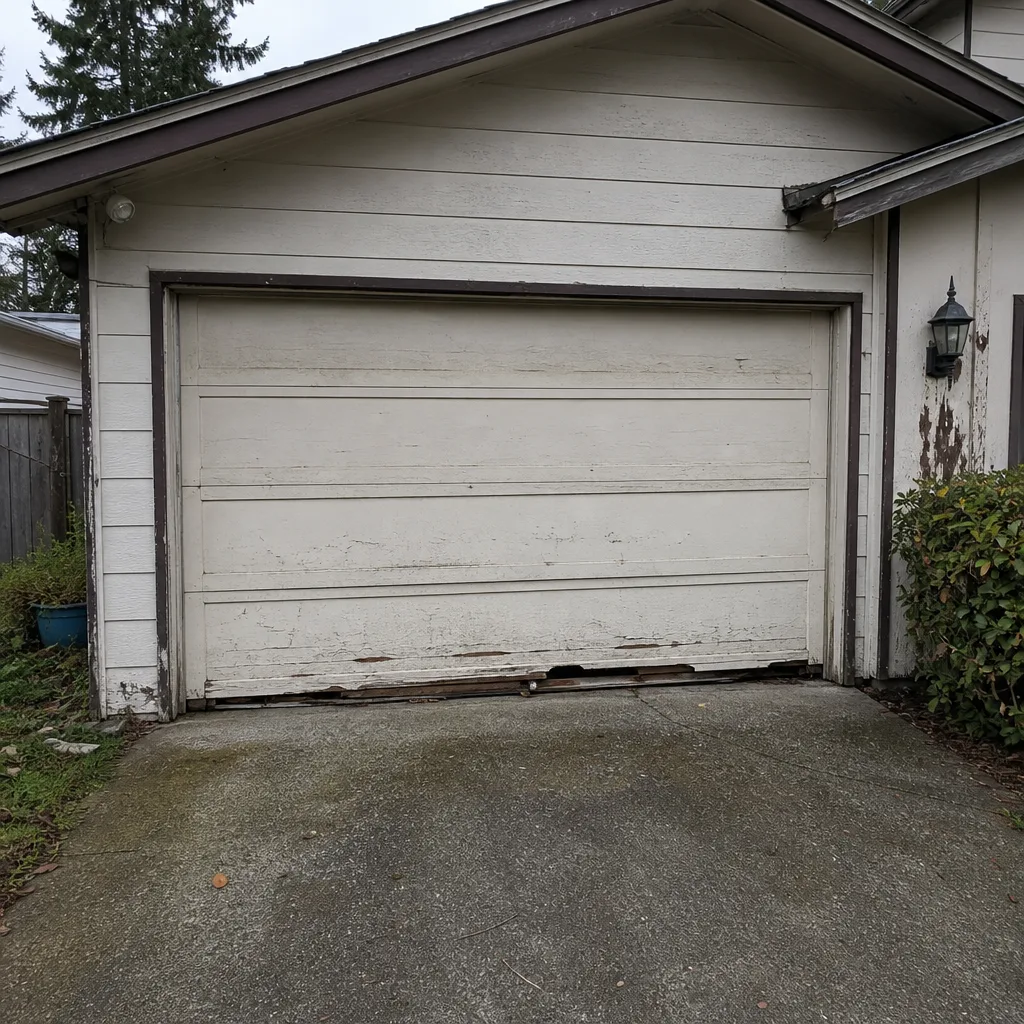 Before
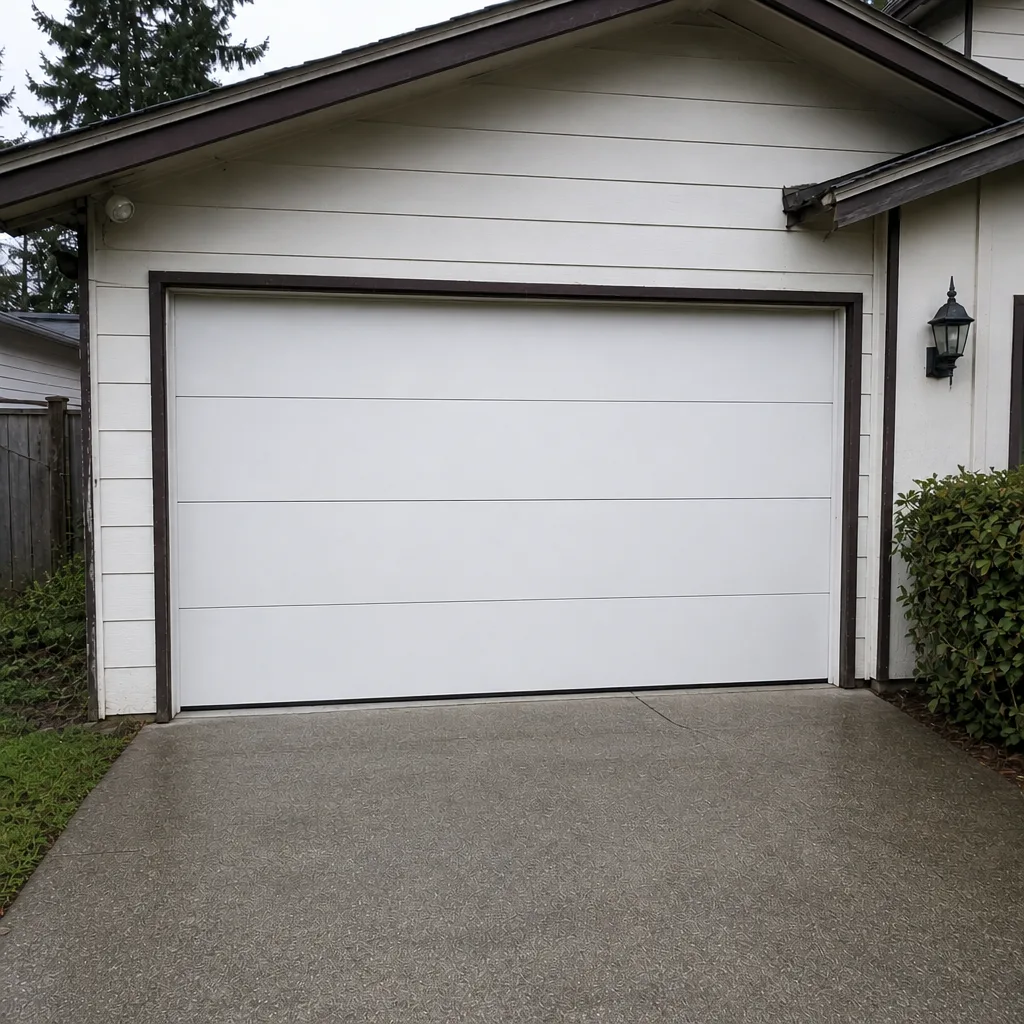 After
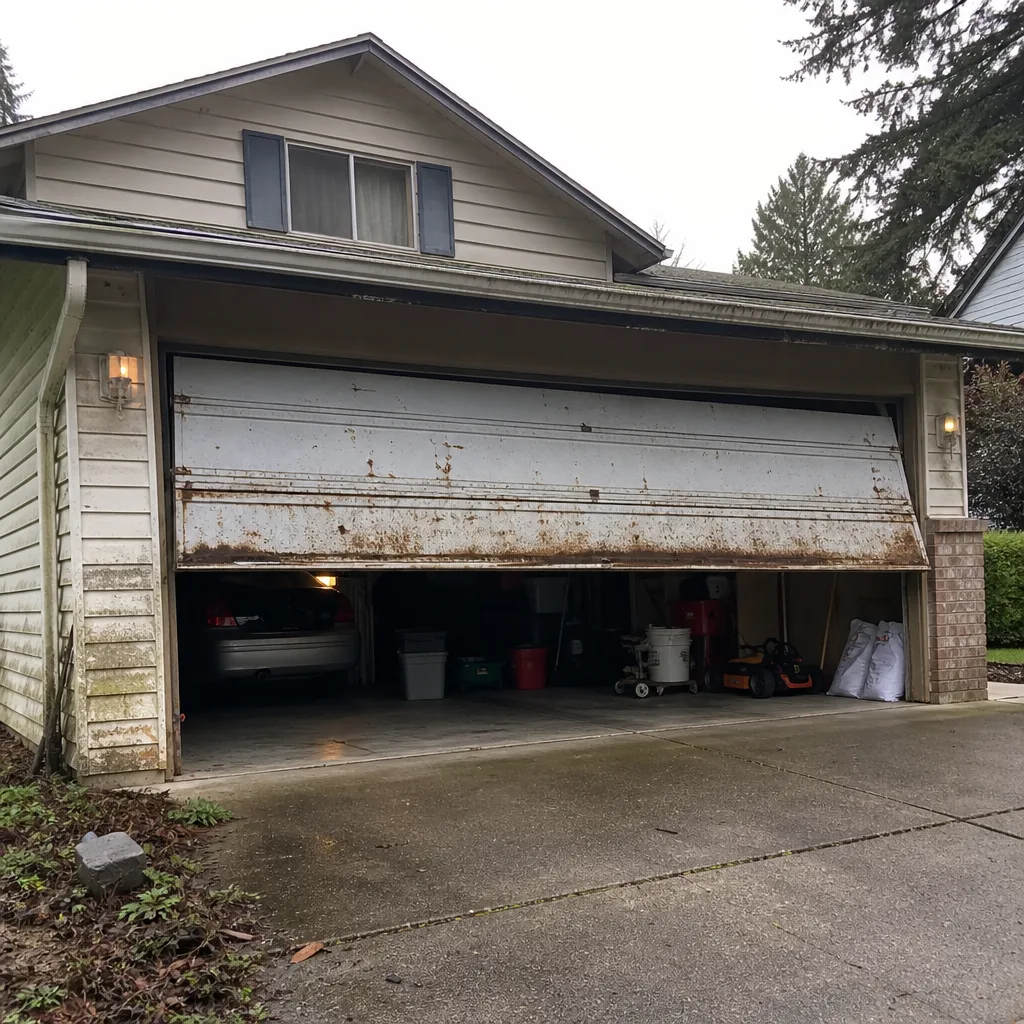 Before
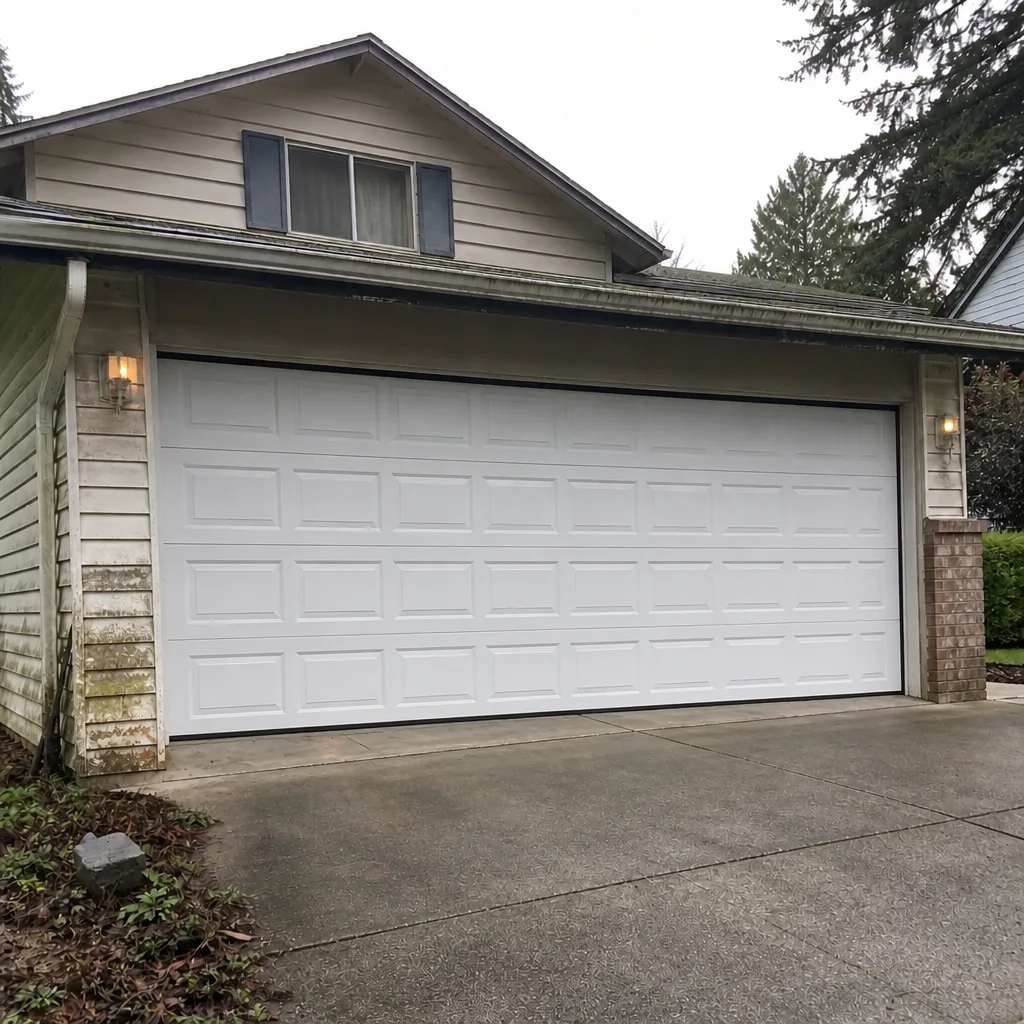 After
When to Call a Professional
Some seasonal care needs a trained eye. Call a professional if the door is out of balance when you run the hand test, if any spring shows visible rust or thinning, if a cable looks slack or kinked, if the door has come off its track, if the opener’s safety reverse fails, or if you see water on the garage floor after a storm despite a healthy-looking seal. Springs and cables always need a professional. Our technicians have up to 14 years of experience, and our team handles the whole spectrum from a single broken cable to a full door and opener install. Auburn Garage Door Repair Co offers free estimates in Auburn and works on the brand already in your garage. Call (833) 680-0666. We answer 24/7. Fast dispatch from 7am to 7pm, Sunday through Friday.
Frequently Asked Questions
Late September or early October is the best window for the main annual maintenance pass, ahead of the wet stretch. A shorter spring pass in April catches what the winter did before summer heat begins. Between the two, you get a door that faces each damaging season in good shape.
Because summer heat dries the lubricant out of the coils, and the first wet weather then starts to work on metal that has lost its protective layer. The temperature swings of the transition months add to the flex on the coil. It’s the handoff between seasons, not the cold itself, that does the damage.
Check the bottom seal first – hard, cracked or gapped seals are the most common entry point. Then check the side and top weather stripping for continuous contact against the frame. If both are healthy and water still shows up, the door may not be closing flush against the threshold, which is a track or alignment issue rather than a seal issue.
No. Springs are under enough tension to cause serious injury, and a release under load is unpredictable even for experienced hands. Spring replacement is a job that demands a specialist. A trained professional has the tools and the technique to bring the tension down safely before any work begins.
Yes. South- and west-facing doors take more direct sun in the dry months, which accelerates paint fade on steel doors and surface chalking on composite panels. Check those panels for UV damage in July and August, and touch up any bare spots before the wet season starts. A door on the shaded side of the house needs less summer attention and more seal attention.
There’s no flat fee to quote here – the price is set per job by the written estimate, and the estimate itself is free. That’s the cleanest way to know what you’re paying before any work starts. Call (833) 680-0666 for an exact quote.
Lubricating the springs and moving parts. It’s the cheapest, easiest task in the whole checklist, and it’s the one that does the most to prevent the failure most Auburn homeowners deal with in late autumn. A five-minute pass in October is worth more than any repair in January.
The Bottom Line
Auburn doesn’t run four equal seasons for garage door purposes. It runs a wet, damaging stretch from roughly October to March and a dry maintenance window from roughly May to September. Fall prep is the highest-leverage task because the wet stretch does the most wear. The three tasks worth prioritizing every year are lubricating the moving parts, checking the bottom seal, and inspecting the springs and cables. Do those in late September and you’ll schedule prevention instead of paying for a repair. Skip them and you’ll meet a stuck door in the middle of a wet stretch. Either way, the door needs the same attention under the panel – the only question is whether it gets it before or after the failure.
Call (833) 680-0666 for a free estimate. We answer 24/7. Fast dispatch from 7am to 7pm, Sunday through Friday, and we work on the brand already in your garage, whether that’s LiftMaster, Chamberlain, Clopay or any of the other major manufacturers.
Written by the team at Auburn Garage Door Repair Co.